Aloe Elata: The Ultimate Guide to This Rare and Fascinating Plant
If you're looking for an exotic plant with an intriguing history, then look no further than Aloe Elata. This succulent is native to Madagascar, where it grows in the wild in arid regions. With its unique appearance and medicinal properties, it's no wonder that this plant has become increasingly popular in recent years. In this article, we'll explore everything you need to know about Aloe Elata, from its appearance and habitat to its uses and benefits.
Aloe Elata, also known as the tall tree aloe, is a species of succulent plant in the family Asphodelaceae. It is distinguished by its long, slender stem that can grow up to 15 feet tall, and its rosette of thick, fleshy leaves at the top. The leaves are green or gray-green in color and have small teeth along the edges. The plant produces spikes of tubular flowers that are typically orange or red in color.
In the wild, Aloe Elata grows in rocky, arid regions of Madagascar, where it is often found growing alongside other succulents and cacti. It is able to survive in these harsh conditions thanks to its ability to store water in its leaves and stem.
Appearance
As mentioned earlier, Aloe Elata is a tall, slender plant with a rosette of thick, fleshy leaves at the top. The leaves are arranged in a spiral pattern, and can reach up to 3 feet long and 5 inches wide. They are green or gray-green in color, and have small teeth along the edges. The stem of the plant is smooth and grayish-brown in color, and can grow up to 15 feet tall.
The flowers of Aloe Elata are produced on spikes that can reach up to 6 feet tall. The flowers themselves are tubular in shape and are typically orange or red in color. They are pollinated by birds, which are attracted to the nectar produced by the flowers.
Habitat
Aloe Elata is native to Madagascar, where it grows in rocky, arid regions of the island. It is often found growing alongside other succulent plants, such as cacti. In its natural habitat, Aloe Elata is able to survive in harsh conditions thanks to its ability to store water in its leaves and stem.
Uses
Aloe Elata has been used for centuries for its medicinal properties. The gel inside the leaves of the plant is rich in vitamins, minerals, and antioxidants, making it a popular ingredient in skincare products. It is believed to help soothe and heal skin conditions such as burns, cuts, and eczema. Some people also use Aloe Elata gel as a hair conditioner, claiming that it can help promote healthy hair growth.
In addition to its cosmetic uses, Aloe Elata has also been used in traditional medicine to treat a variety of ailments. It is said to have anti-inflammatory properties, and may be helpful in reducing pain and swelling. Some studies have even suggested that Aloe Elata may have anticancer properties, although more research is needed to confirm this.
Benefits
There are many potential benefits to using Aloe Elata, both for your health and for your skin. Here are just a few:
Soothes and heals skin conditions: Aloe Elata gel is a popular ingredient in skincare products due to its ability to soothe and heal skin conditions such as burns, cuts, and eczema.
Promotes healthy hair growth: Some people use Aloe Elata gel as a hair conditioner, claiming that it can help promote healthy hair growth.
Reduces inflammation: Aloe Elata may have anti-inflammatory properties, which could make it helpful in reducing pain and swelling.
May have anticancer properties: Some studies have suggested that Aloe Elata may have anticancer properties, although more research is needed to confirm this.
How to Grow Aloe Elata
If you're interested in growing Aloe Elata at home, there are a few things you should know. First, this plant requires plenty of sunlight and well-draining soil. It also needs to be watered sparingly, as overwatering can lead to root rot.
When planting Aloe Elata, make sure to choose a pot with drainage holes to prevent water from pooling at the bottom. You can use a cactus or succulent mix for the soil, which will help ensure good drainage. Place the pot in a sunny location, such as a south-facing window, and water sparingly, allowing the soil to dry out between waterings.
Aloe Elata vs. Aloe Vera
You may be wondering how Aloe Elata compares to another popular succulent, Aloe vera. While both plants belong to the same family, there are some key differences between them. Aloe vera is typically smaller than Aloe Elata, with shorter leaves that form a rosette at the base of the plant. The gel inside Aloe vera leaves is also thicker and more mucilaginous than that of Aloe Elata.
In terms of medicinal properties, both Aloe Elata and Aloe vera have been used for centuries to treat a variety of ailments. However, Aloe vera is generally considered to be more effective when it comes to treating skin conditions such as burns and cuts.
Frequently Asked Questions
What is Aloe Elata? Aloe Elata is a species of succulent plant native to Madagascar.
What does Aloe Elata look like? Aloe Elata is a tall, slender plant with a rosette of thick, fleshy leaves at the top. The leaves are green or gray-green in color and have small teeth along the edges. The stem of the plant is smooth and grayish-brown in color, and can grow up to 15 feet tall.
What are the benefits of Aloe Elata? Aloe Elata has many potential benefits, including soothing and healing skin conditions, promoting healthy hair growth, and reducing inflammation.
How do you grow Aloe Elata? Aloe Elata requires plenty of sunlight and well-draining soil. It also needs to be watered sparingly, as overwatering can lead to root rot.
How does Aloe Elata compare to Aloe vera? While both plants belong to the same family, there are some key differences between them. Aloe vera is typically smaller than Aloe Elata, with shorter leaves that form a rosette at the base of the plant.
Is Aloe Elata safe to use on the skin? Yes, Aloe Elata gel is generally considered safe for topical use on the skin.
Can you eat Aloe Elata? No, Aloe Elata is not edible.
How long does it take for Aloe Elata to flower? Aloe Elata typically flowers in late spring or early summer.
What is the best way to propagate Aloe Elata? Aloe Elata can be propagated by removing offsets from the parent plant and planting them in their own pot.
Where can I buy Aloe Elata? Aloe Elata can be purchased online from specialty nurseries or succulent suppliers.
Aloe Elata is a rare and fascinating plant with a rich history and many potential benefits. Whether you're interested in growing it at home or using it for its cosmetic or medicinal properties, there's no denying that this succulent is a true gem. With proper care and attention, Aloe Elata can thrive both in the wild and in your own home.
13 Aloe elata Images

Aronia Arbutifolia Appelbes Heester Die Meijuni Bloeit Met Witte

Red Lips Flower Seeds Rare Flower Pots Psychotria Elata Flower Seeds

11 Palm 3DModel Tng Cy Xng Rng Cy Ci Corona
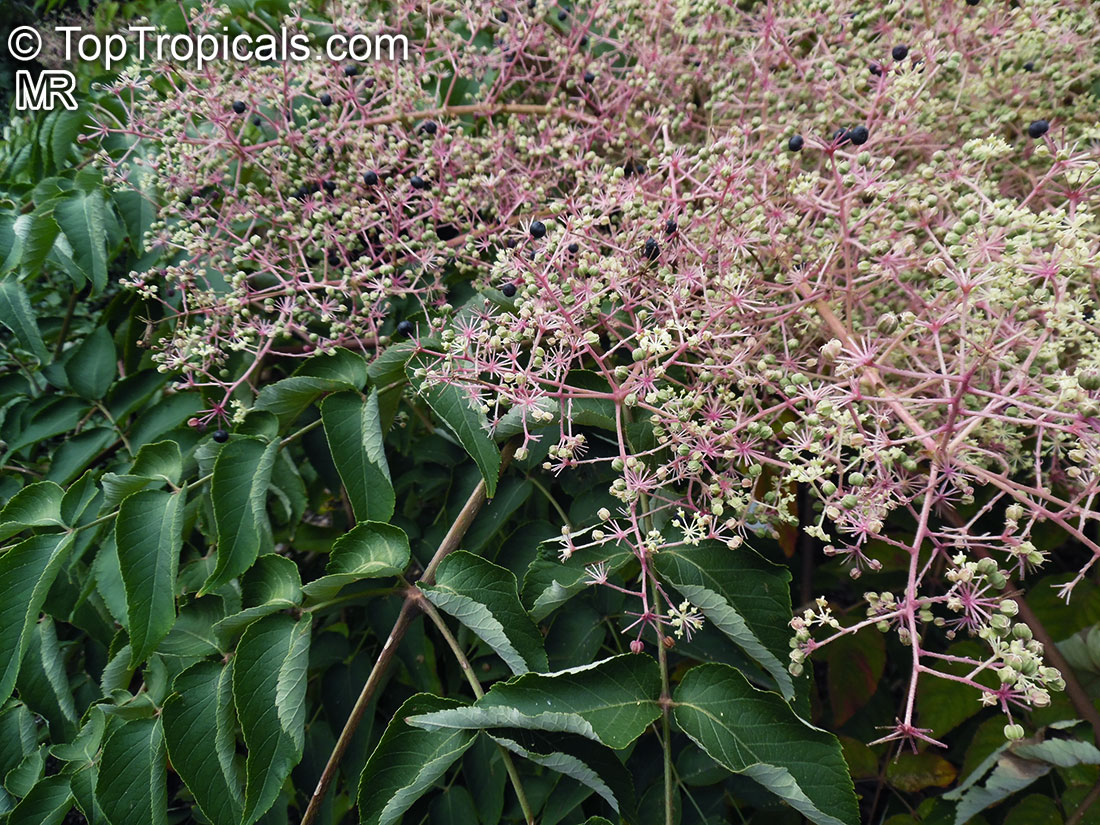
Aralia Elata Beautiful Tree Plants Garden

Pin On CSSA Show Succulents

Aloe Aristata Pflegen Und Vermehren Einfach Gemacht PASIORA

Aloe Ballyi Aloe Plant Types Of Aloe Plants Aloe Plant Care

Pingl Sur Watercolor Painting

Pin By Debbie Heffernan On New England Four Season Landscaping

Cette Fleur Gante De Rafflesia TuanMudae En Indonsie Est La Plus

Silky Oak Grevillea Robusta Unusual Flowers Amazing Flowers

Yucca Rostrata Desert Garden Yucca Rostrata Bloom

Yucca Elata Soap Bark Tree Yucca Moon Garden White Flowers
Posting Komentar untuk "Aloe Elata: The Ultimate Guide to This Rare and Fascinating Plant"